Research direction

Embodied AI for Humanoid/Legged Robotics

Large AI models that let legged and humanoid robots perceive, reason and act

The Hong Kong Polytechnic University Department of Aeronautical and Aviation Engineering
← All research directions

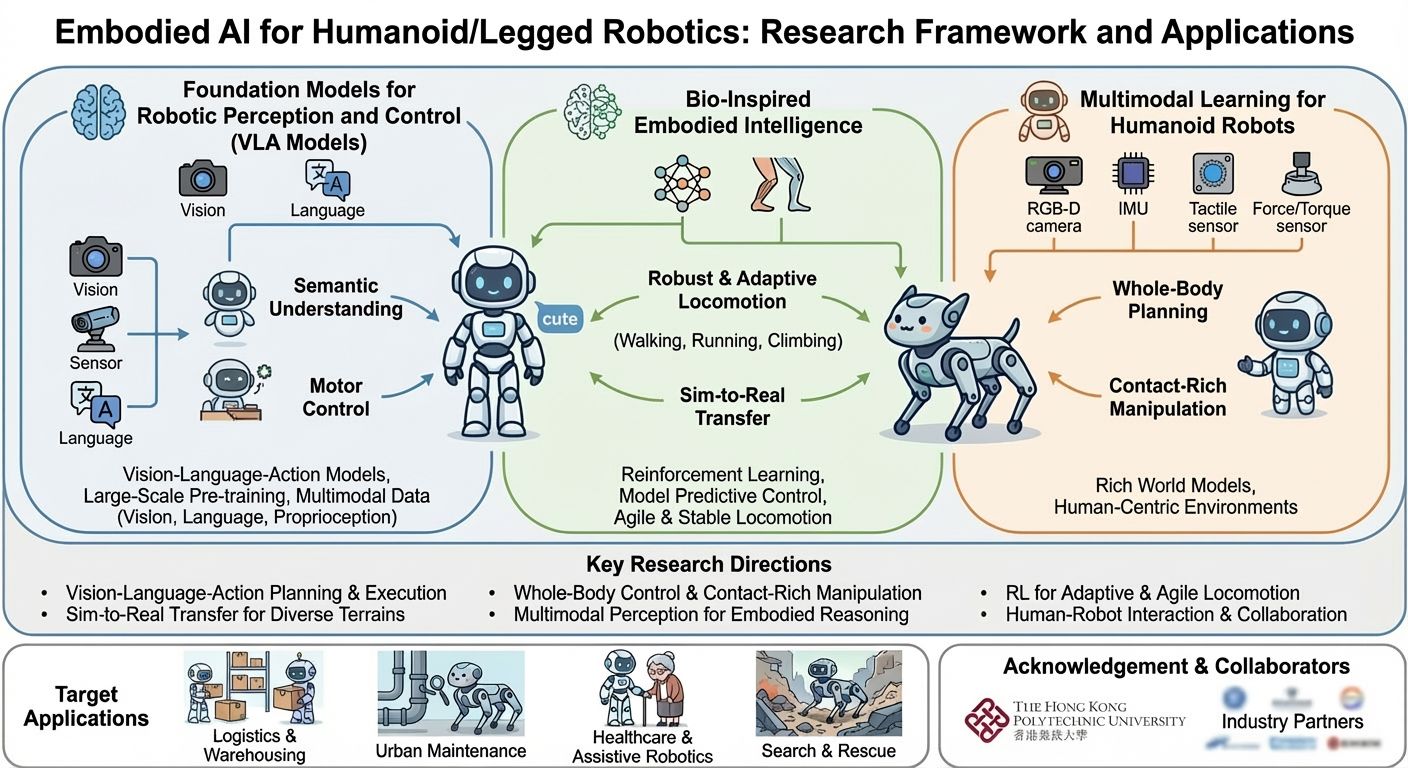
Humanoid and legged robots are the next frontier of embodied AI — machines that perceive, reason and physically interact with the world in a human-like way. We develop large AI models and vision-language-action (VLA) frameworks that let them navigate, manipulate and collaborate in complex real-world environments.

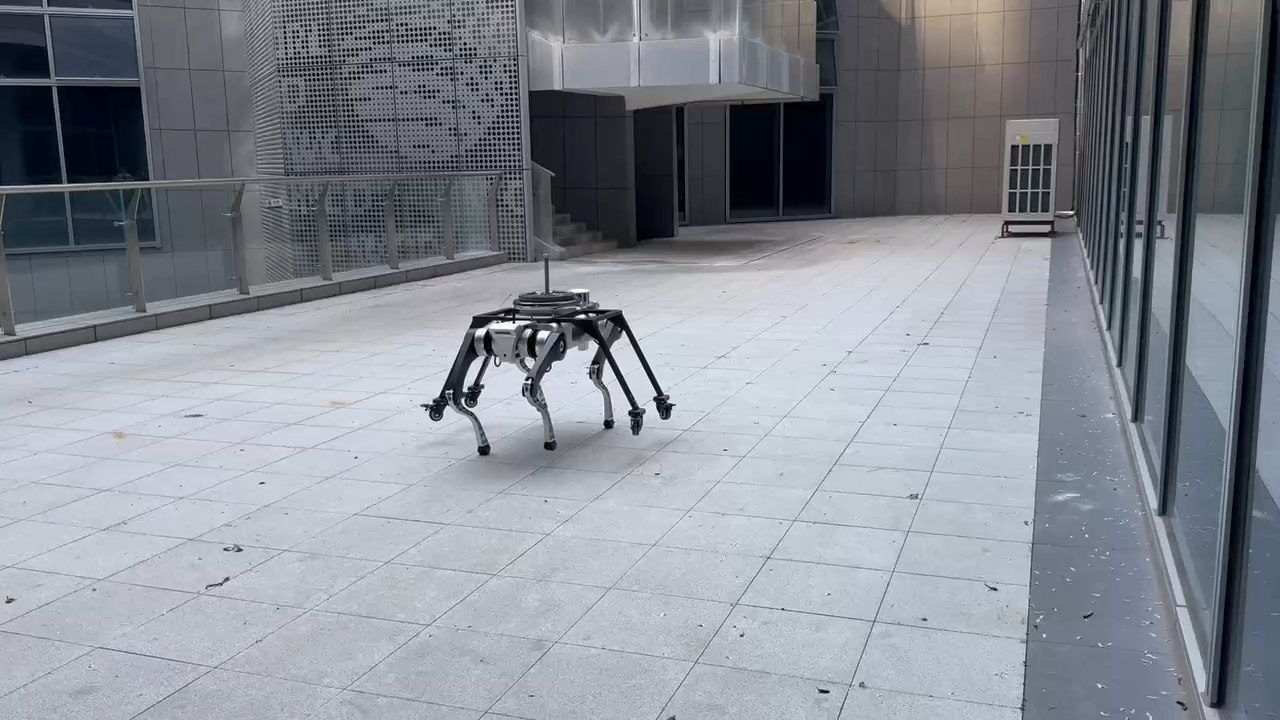
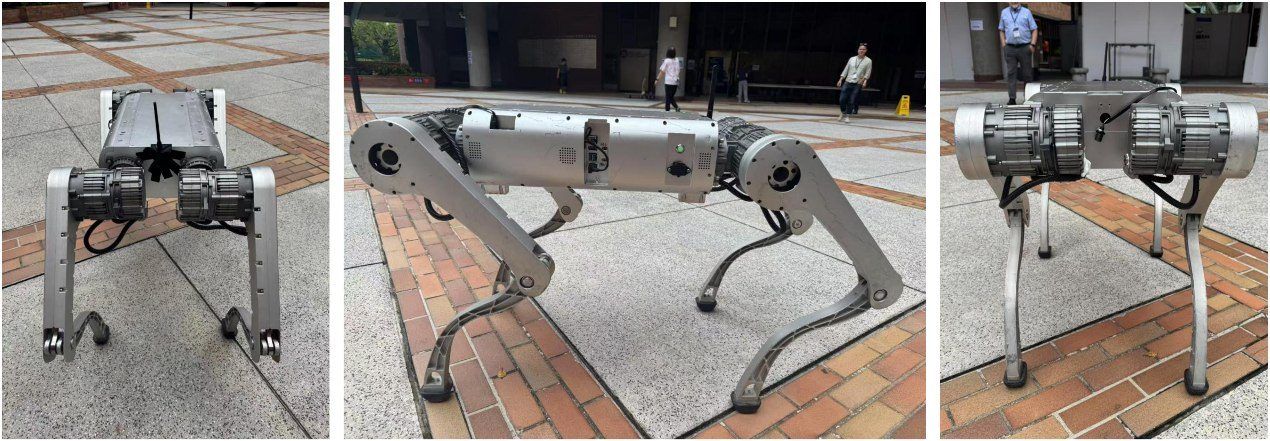
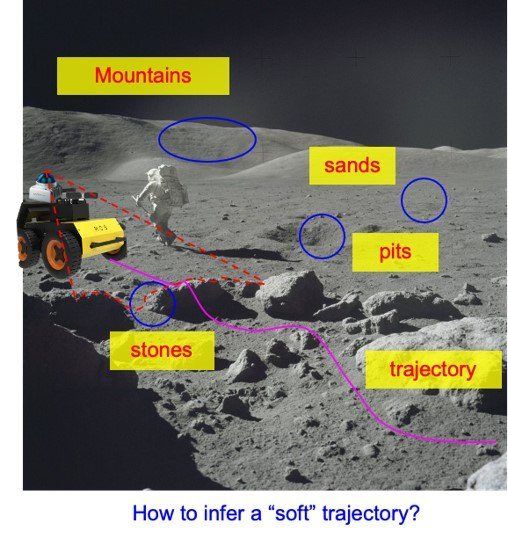
Working with LinXAI quadruped and humanoid platforms, we test these models from factory floors and crowded campus paths to lunar-analogue terrain.

  • Vision-language-action models
  • Sim-to-real transfer
  • Whole-body control
  • RL locomotion
  • Multimodal perception
  • Human-robot interaction
Embodied AI for humanoid and legged robots

Our Approach

  1. Foundation models for perception and control

    VLA models that connect natural-language instructions and semantic understanding with low-level motor control for locomotion and manipulation.

  2. Bio-inspired embodied intelligence

    Reinforcement learning, model predictive control and sim-to-real transfer for agile, stable walking and climbing on diverse terrain.

  3. Multimodal learning for humanoids

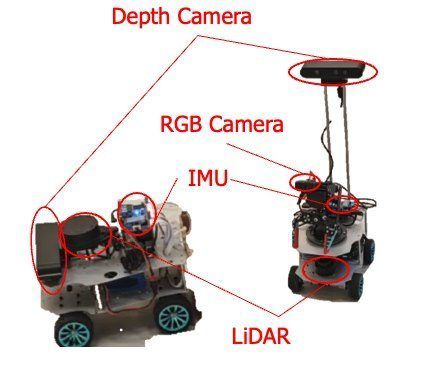
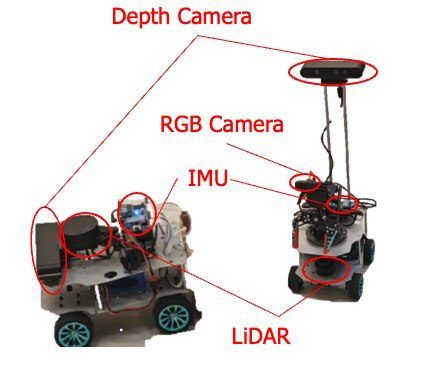
    RGB-D, IMU, tactile and force sensing combined into world models for whole-body planning and contact-rich manipulation.

Target applications

Research in Action

Systems we have built and tested with partners. Open a card for the problem, our approach, results and photos.

Quadruped Guide-Dog Navigation Demonstration

Quadruped Guide-Dog Navigation Demonstration

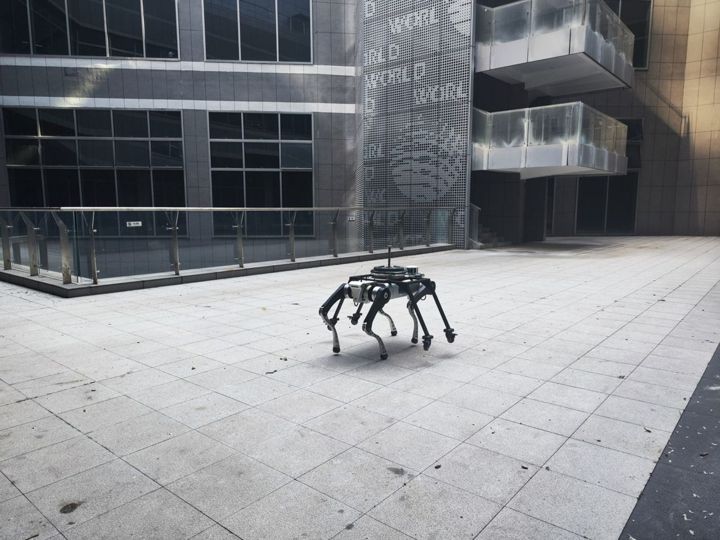
A guide-dog robot for visually impaired users that navigates crowded campus paths and explains itself by voice.

  • A → B campus demonstration
  • Voice human–robot interface
  • Joint lab PolyU–LinXAI
Problem, approach & results

ProblemA guide-dog robot must navigate crowded campus paths safely, explain itself by voice and stop safely when unsure.

Approach
  • Perception, path planning, learned locomotion control, interaction and validation in one pipeline
  • Real-time obstacle detection and avoidance; voice commands and spoken stop explanations
  • Point-A-to-B demonstration on the PolyU campus

ResultsSystem design, implementation, demonstration and documentation.
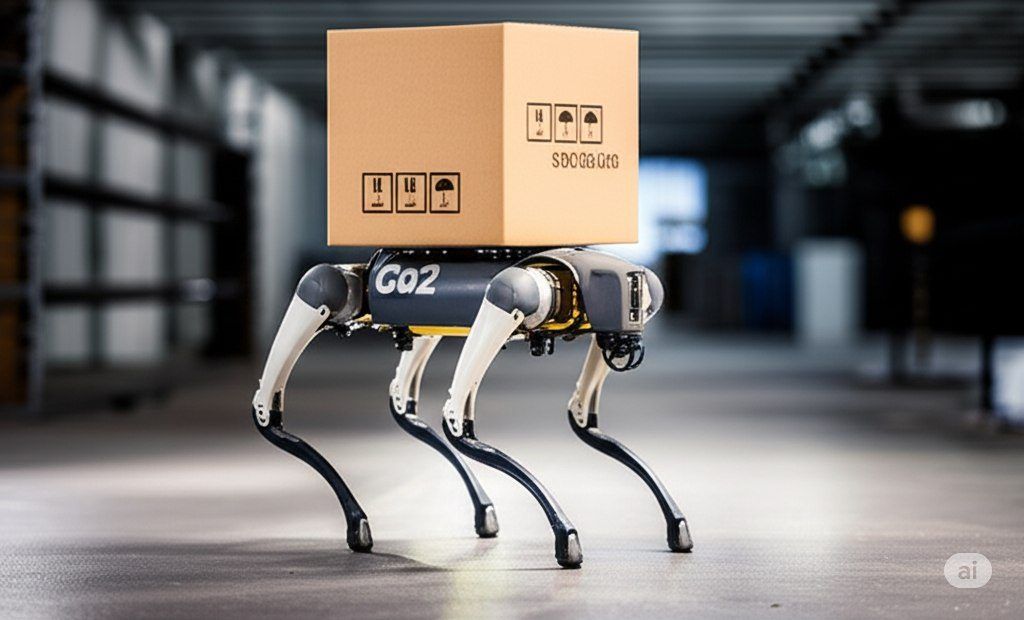
Quadruped VLA for Factory Logistics

Quadruped VLA for Factory Logistics

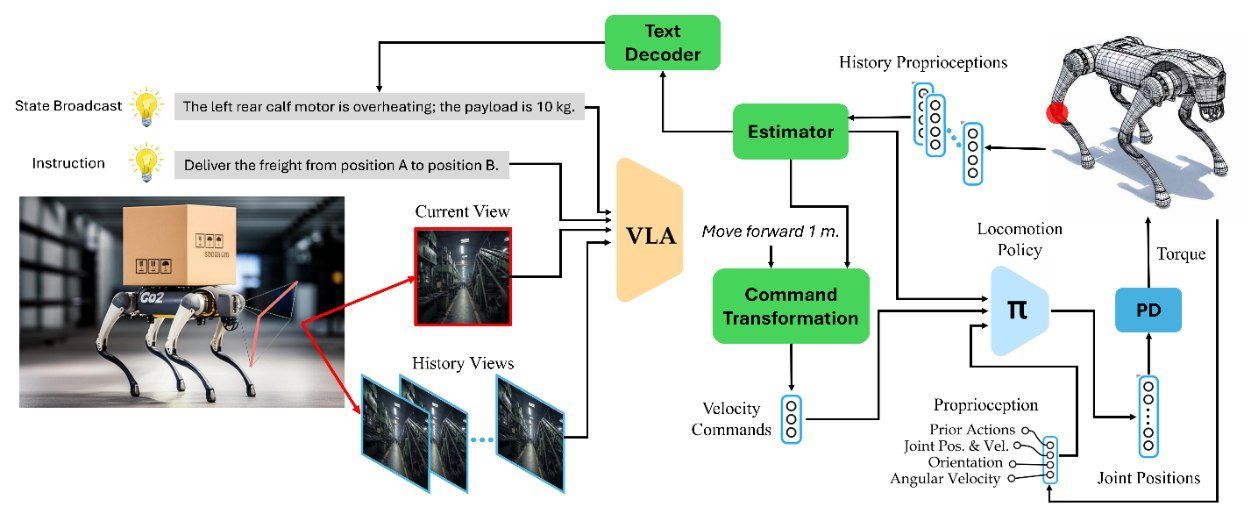
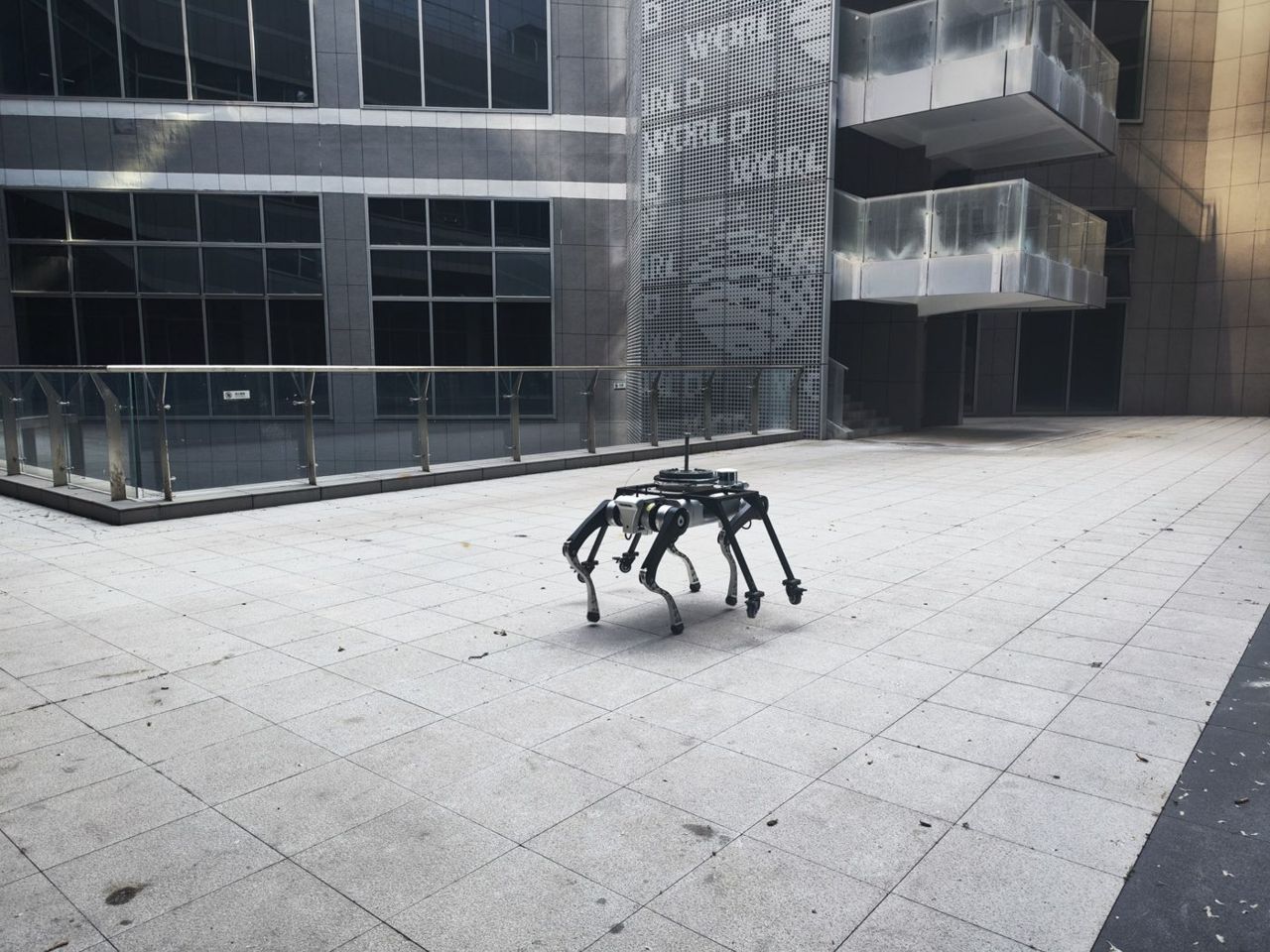
Quadrupeds that carry loads safely on spoken instructions, trained against worst-case disturbances.

  • Adversarial robust training
  • VLA language-guided missions
Problem, approach & results

ProblemLearned legged controllers fail under heavy payloads, joint faults and slippery floors in real factories.

Approach
  • An “antagonist” policy that finds worst-case forces, joint faults and friction changes
  • A hardened “protagonist” locomotion policy trained against it
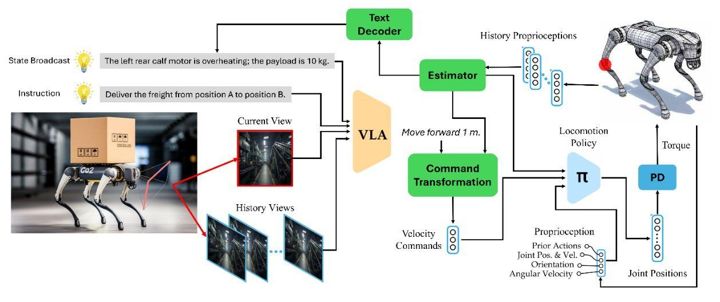
  • Vision-language-action model for natural-language transport missions

ResultsBuilds on the LinXAI quadruped platforms.

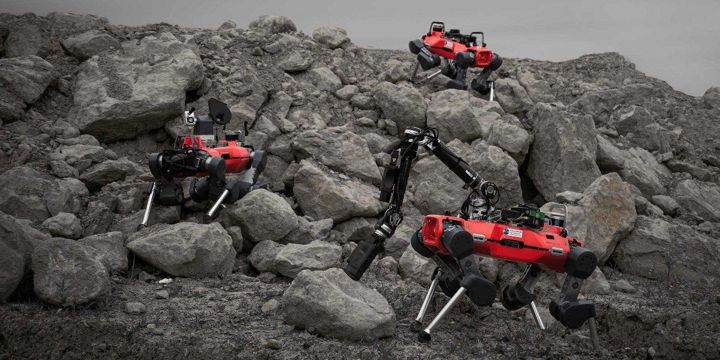
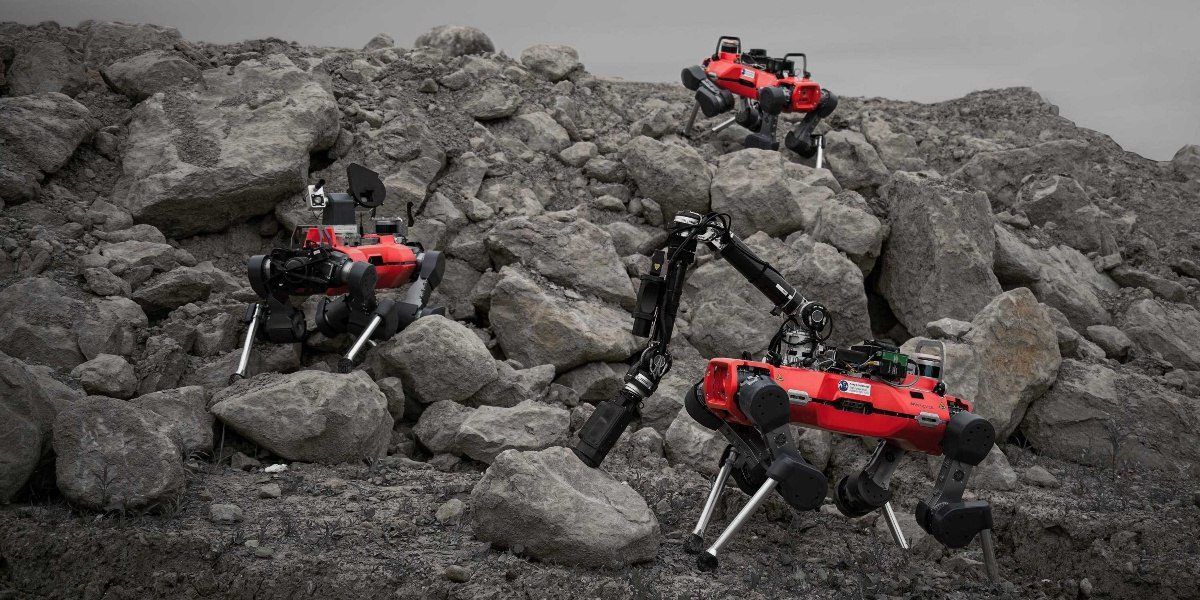
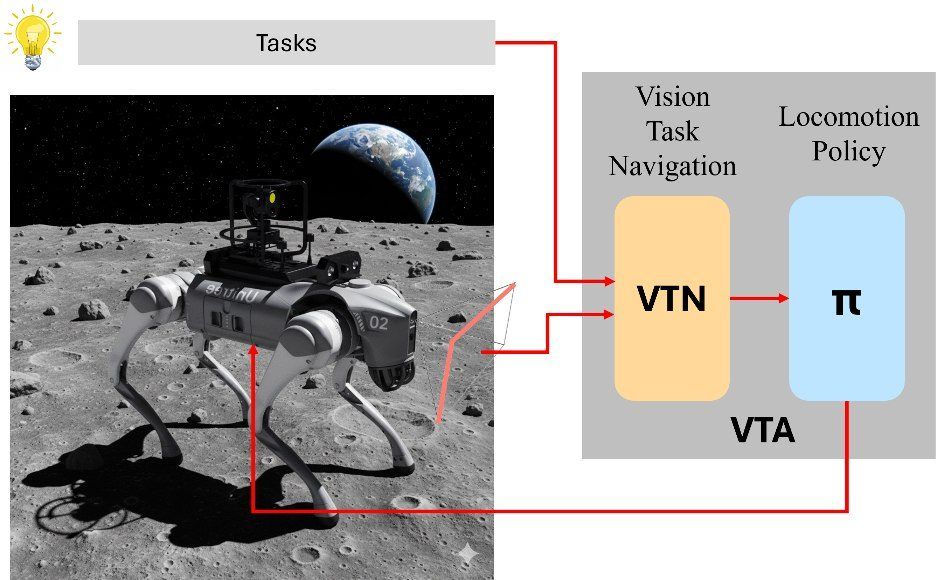
Quadruped Vision-Task-Action Model for Lunar Exploration

Quadruped Vision-Task-Action Model for Lunar Exploration

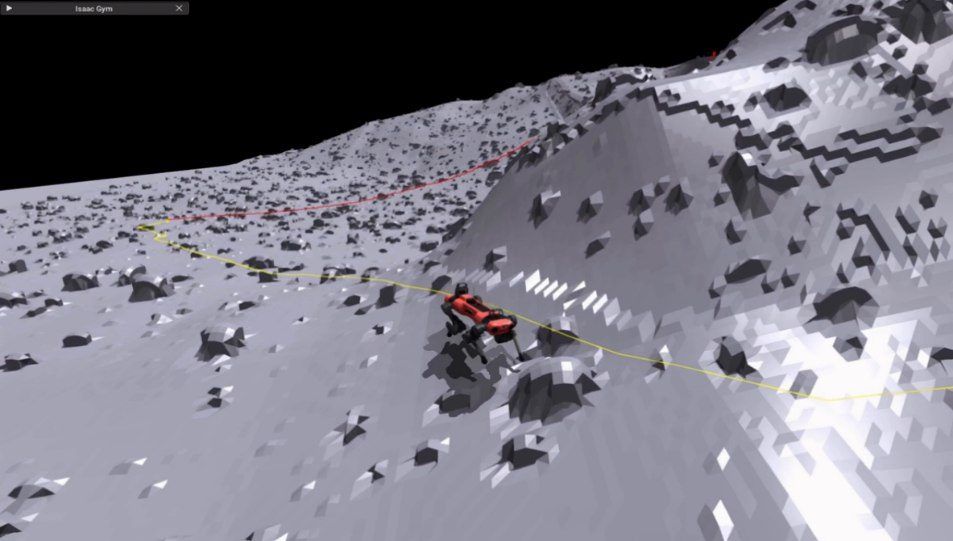
Legged robots that understand scientific tasks on the Moon and walk robustly on loose regolith.

  • VTA vision-task-action model
  • 2026 Deep-Space Robotics report
Problem, approach & results

ProblemWheeled rovers get stuck in craters; legged robots can go further but need task understanding and robust gaits.

Approach
  • Vision-task-action model linking scientific goals to locomotion policies
  • Robust gaits for loose regolith and slopes
  • Lunar-surface simulation and terrestrial analogue tests

ResultsContribution to PolyU's Deep-Space Robotics Report (2026); TPC Chair of the APRIM 2026 satellite meeting.

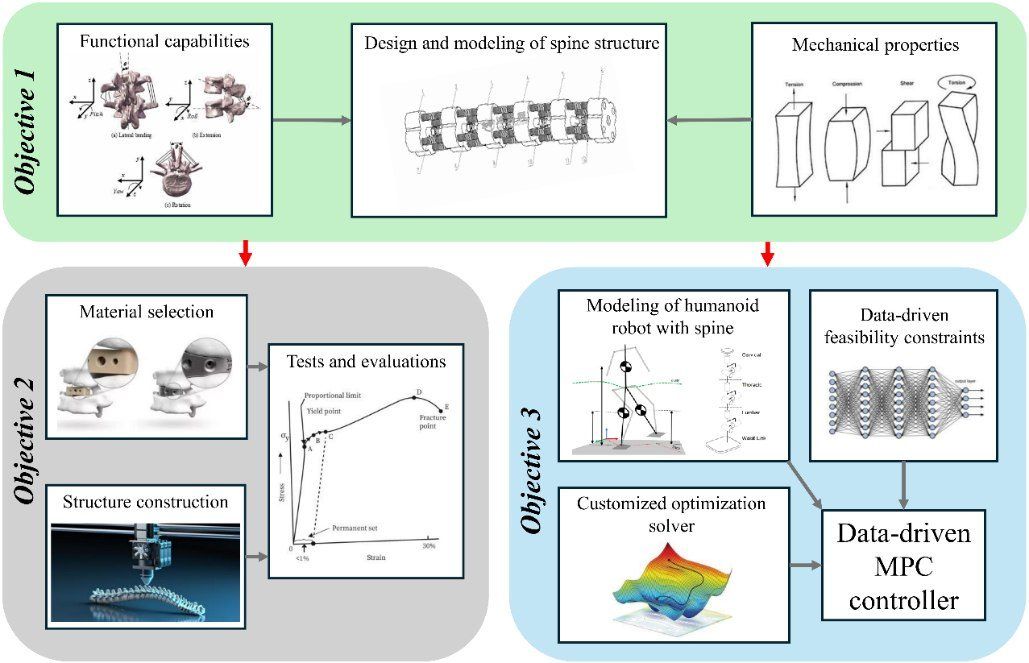
Bio-inspired Spinal System for Humanoid Robots

Bio-inspired Spinal System for Humanoid Robots

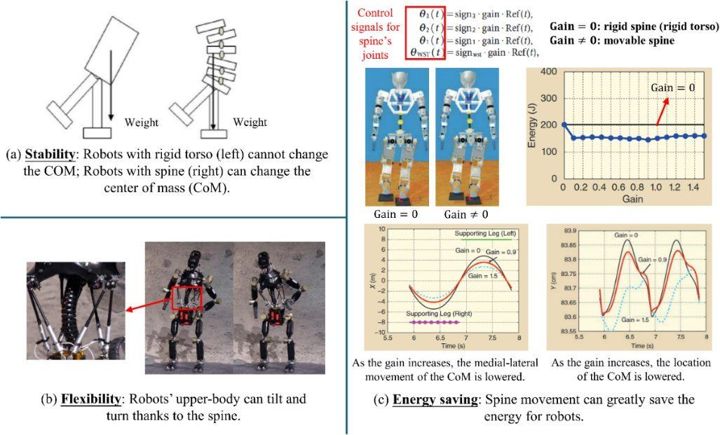
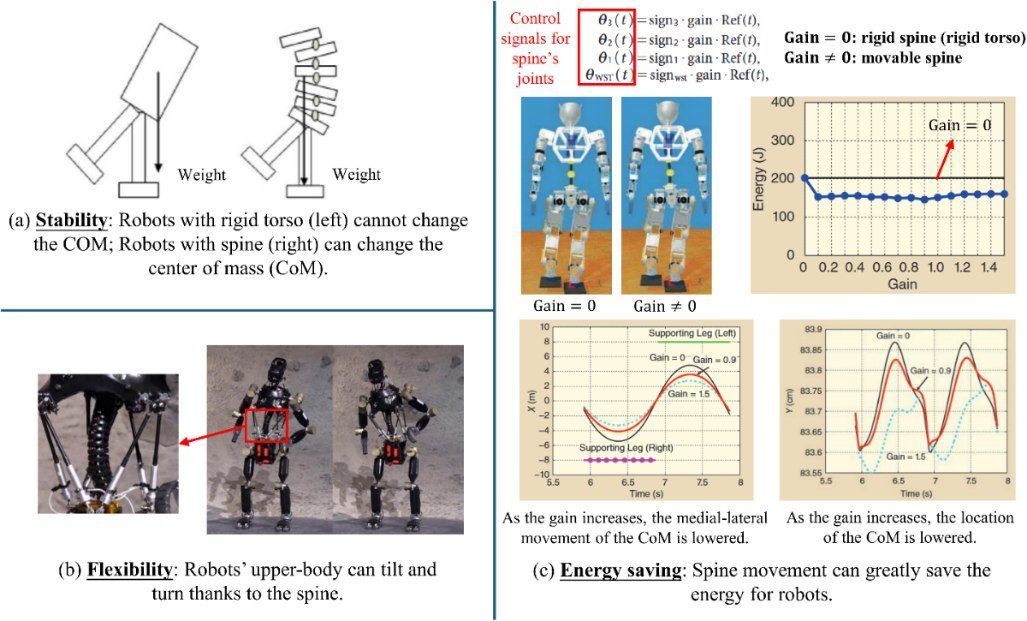
A flexible, bio-inspired spine that helps humanoid robots balance on uneven, low-gravity terrain.

  • Spine novel bio-inspired design
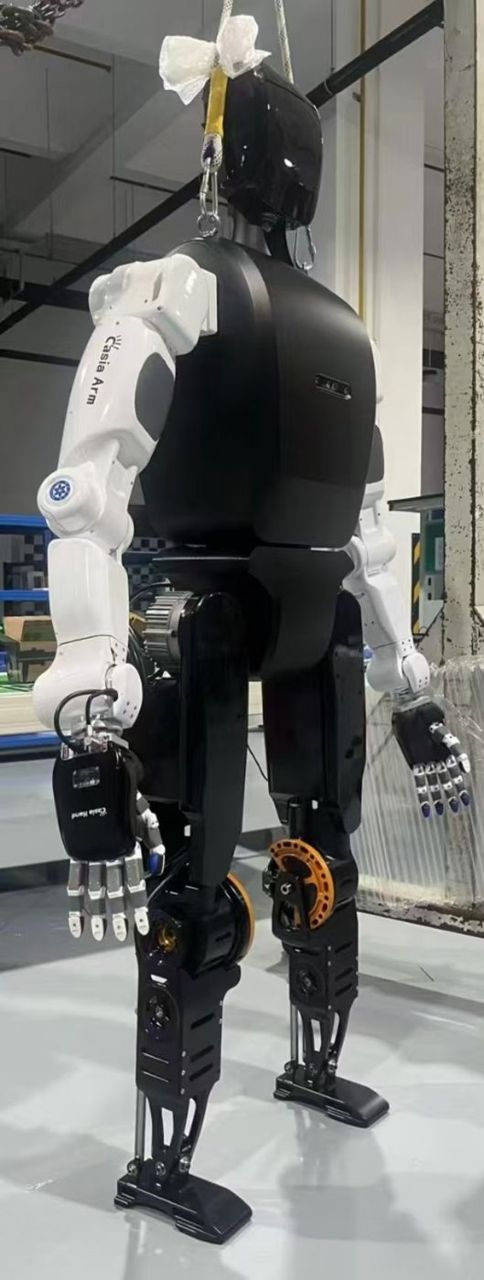
  • Prototype humanoid robot
  • Space exploration target application
Problem, approach & results

ProblemRigid one-piece torsos limit humanoid flexibility and balance on uneven, low-gravity terrain such as the Moon or Mars.

Approach
  • Spine design that mimics human vertebral mechanics
  • 3D-printed lightweight alloy and polymer vertebrae
  • Data-driven MPC with a custom solver for the spine's nonlinear dynamics

ResultsSpine design, a functional prototype and robotics-journal papers.

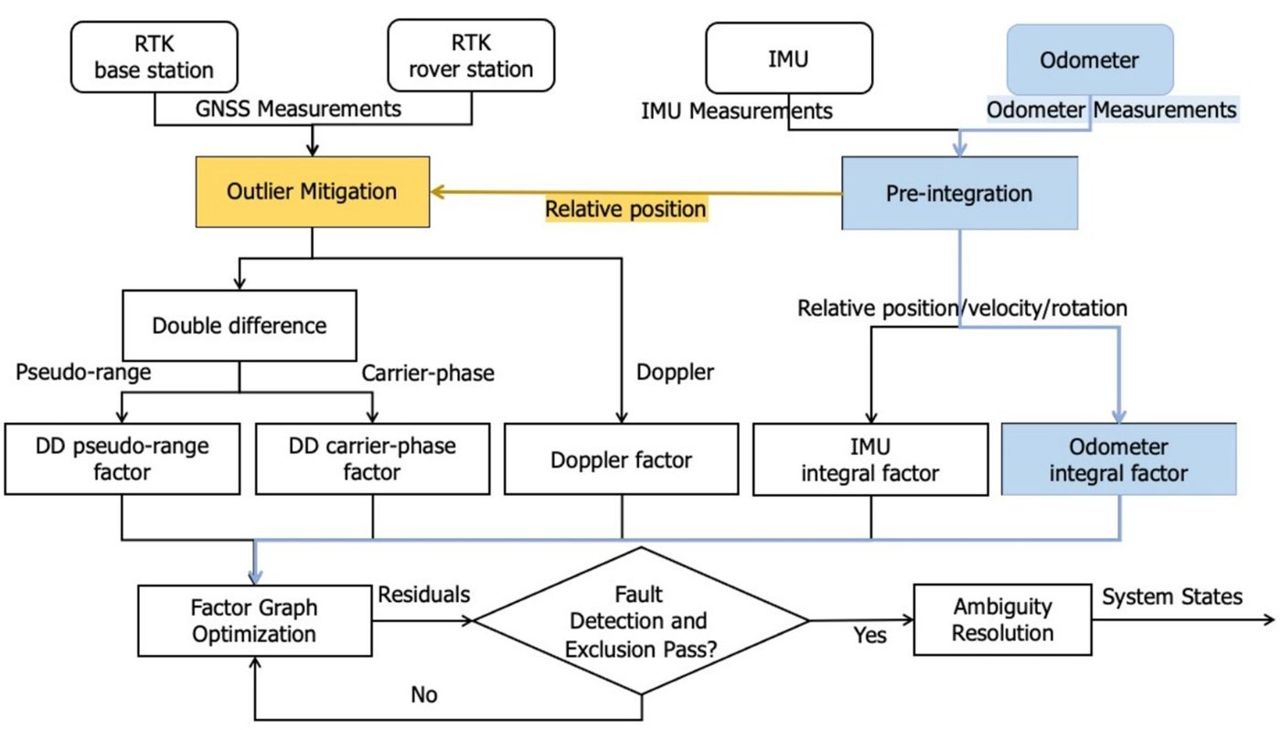
Multi-robot Collaborative Operations in Lunar Areas for Regolith Processing

Multi-robot Collaborative Operations in Lunar Areas for Regolith Processing

Navigation and formation control for teams of robots processing regolith on the Moon, without any GNSS.

  • 0.30 m positioning RMSE
  • Tianwen-3 team visit, Dec 2024
Problem, approach & results

ProblemLunar regolith tasks need precise, safe multi-robot operation on rugged terrain without any GNSS.

Approach
  • Factor-graph positioning shared across the robot team
  • Leader–follower formation control with MPC
  • Prototype tests on rugged analogue terrain

ResultsVisit by the Tianwen-3 delegation in December 2024.

Video Demonstrations

Embodied AI for humanoid and legged robots, TAS Lab, PolyU

Selected Publications

Full publication list →