Dr Weisong Wen, Assistant Professor in the Department of Aeronautical and Aviation Engineering (AAE) at The Hong Kong Polytechnic University (PolyU) and founding Director of the Trustworthy AI and Autonomous Systems Laboratory (TASLAB), has been named in the latest World’s Top 2% Scientists list, compiled by Stanford University and Elsevier. He appears in both the single-year and the career-long rankings, and has been named in the list every year since 2023.
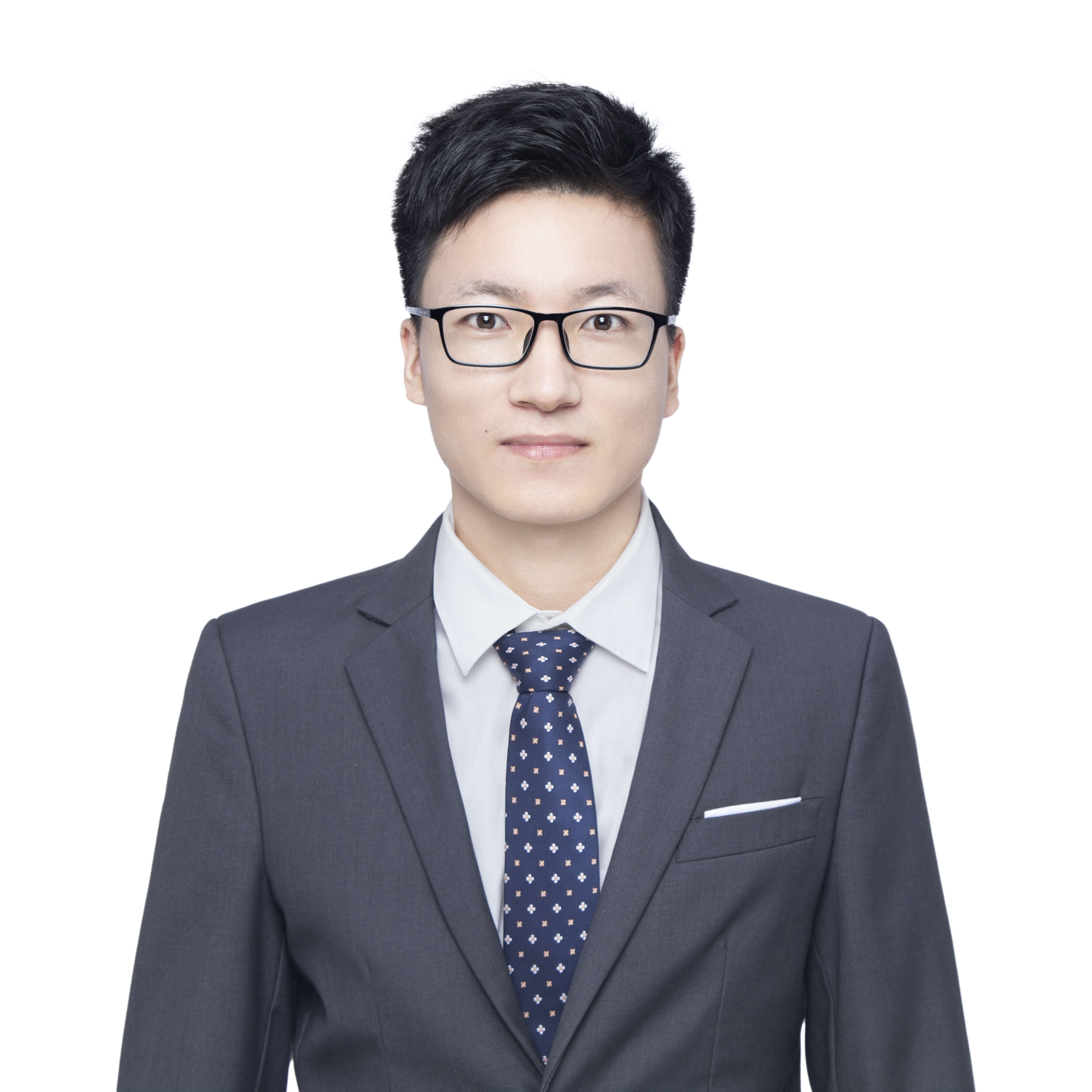
Dr Weisong Wen, Assistant Professor in AAE and founding Director of TASLAB.
The list is compiled by Professor John Ioannidis and his team at Stanford University using Scopus data from Elsevier. It is one of the most widely cited global benchmarks of research impact. Scientists are ranked by a composite citation indicator (c-score) that combines six metrics: total citations, the h-index, a co-authorship-adjusted h-index, and citations to papers where the scientist is the single, first or last author. The latest edition draws on citation data up to the end of 2025 and covers researchers in 22 scientific fields and 174 subfields.
Strong single-year impact
In the single-year ranking, which measures citations received during 2025, Dr Wen ranks 52,277th globally across all disciplines. In his primary subfield, Networking and Telecommunications, which includes about 228,000 researchers worldwide, he ranks 576th, within the top 0.25%. These rankings exclude self-citations. The result reflects the fast-growing international influence of his recent research.
Recognition for career-long impact
Dr Wen is also named in the career-long ranking, which measures the cumulative impact of a scientist’s publications across their whole career. The career-long list is usually dominated by senior researchers with decades of publications, so his inclusion highlights the impact he has achieved at an early stage of his career.
Research highlights
Dr Wen’s research builds the algorithmic foundations of trustworthy embodied AI: perception, navigation and control that stay safe and reliable in complex urban environments. His work follows two closely connected directions:
- High-precision and trustworthy positioning, based on the tight fusion of GNSS, LiDAR, camera and inertial sensors.
- Embodied AI for autonomous robots, including drones, intelligent vehicles and legged and humanoid robots.
Across both, his goal is autonomy that is safety-certifiable, reliable and trustworthy.
Dr Wen has published 129 papers, including 70 journal papers (51 in JCR Q1 journals) and 59 conference papers at leading venues such as ICRA, IROS, ITSC and ION GNSS+. His work has received more than 3,800 Google Scholar citations (h-index 31). His 3D LiDAR-aided GNSS positioning method has been reported by Inside GNSS and is protected by patents granted in the United States, Mainland China, Hong Kong and Canada. As Principal Investigator, he has led 35 research projects funded by the Research Grants Council, the Innovation and Technology Fund, the Smart Traffic Fund and industry partners including Huawei, Tencent, HONOR, Meituan and Esri China (Hong Kong). He serves as Associate Editor of IEEE Transactions on Intelligent Vehicles and IEEE Transactions on Vehicular Technology.
TASLAB, which Dr Wen founded in 2021, now has more than 30 members. Its technologies have been adopted by more than five industry partners and deployed on over 60,000 devices.
Other recent honours
- Merit Award for Outstanding Early Career Researcher, PolyU Faculty of Engineering Awards 2026
- Natural Science First Prize, China Simulation Federation (2026)
- Silver Medal, 51st International Exhibition of Inventions of Geneva (2025)
- PolyU Faculty of Engineering Research Grant Achievement Award (2025)