TASLAB Members Attend ABU Robocon 2026 in Hong Kong
TASLAB Members Attend ABU Robocon 2026 in Hong Kong
On August 23, 2026, members of the Trustworthy AI and Autonomous Systems Laboratory (TASLAB) attended the ABU Asia-Pacific Robot Contest 2026 at Queen Elizabeth Stadium in Wan Chai, Hong Kong. The visit gave our laboratory members an opportunity to experience one of the region’s leading university robotics competitions and observe how student teams transformed mechanical design, perception, control, and real-time strategy into complete robotic systems.
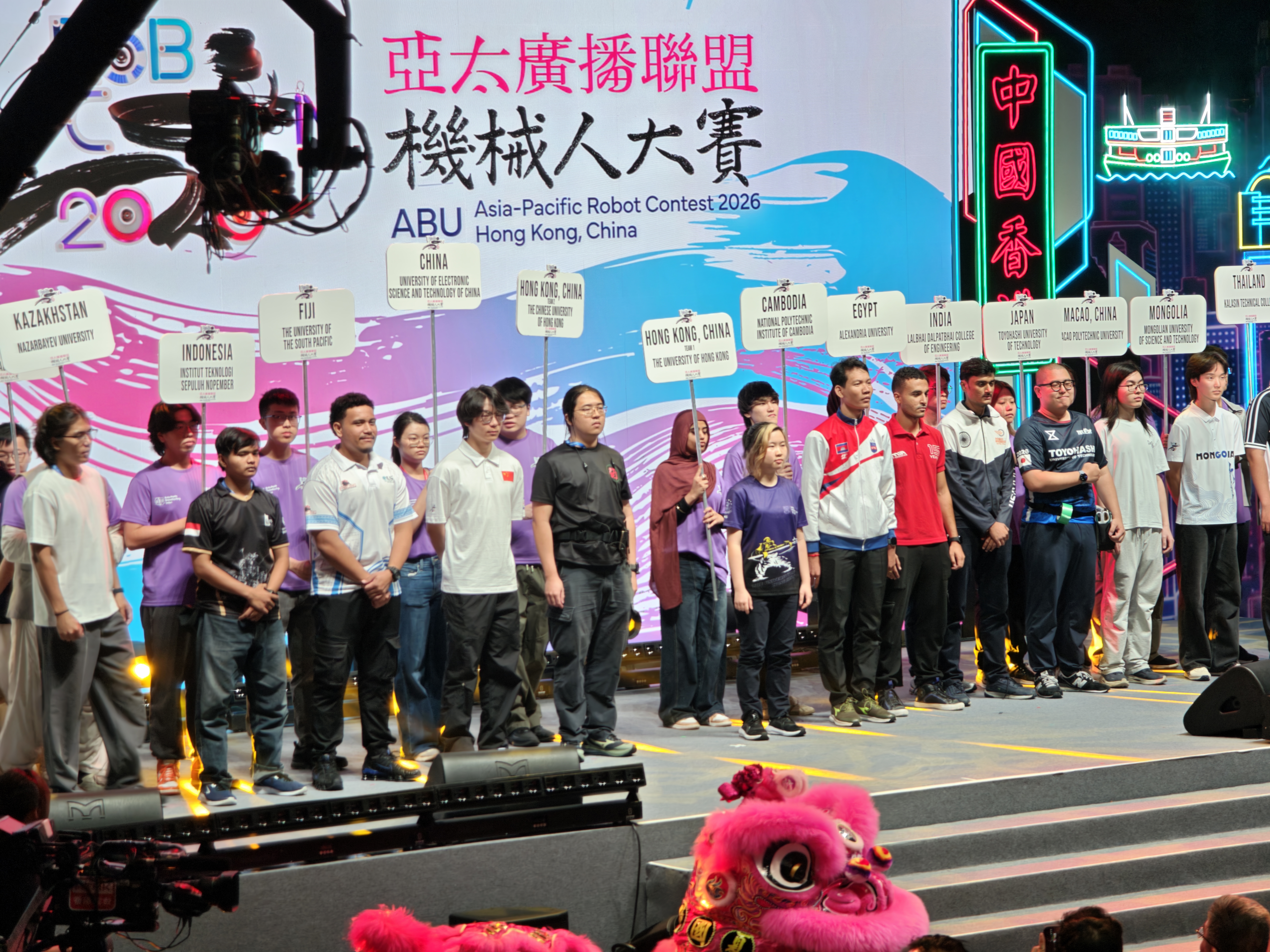
Representatives of the 16 university teams at ABU Robocon 2026 in Hong Kong.
About ABU Robocon
Established in 2002 by the Asia-Pacific Broadcasting Union, ABU Robocon is the largest international university robotics competition in the Asia-Pacific region. It promotes exchange and collaboration among young people in engineering, technology, and innovation by inviting university teams to design and build robots for a new challenge each year. The 2026 contest marked the event’s return to Hong Kong for the first time since 2012 and was jointly organised by Radio Television Hong Kong and the Hong Kong Science and Technology Parks Corporation.
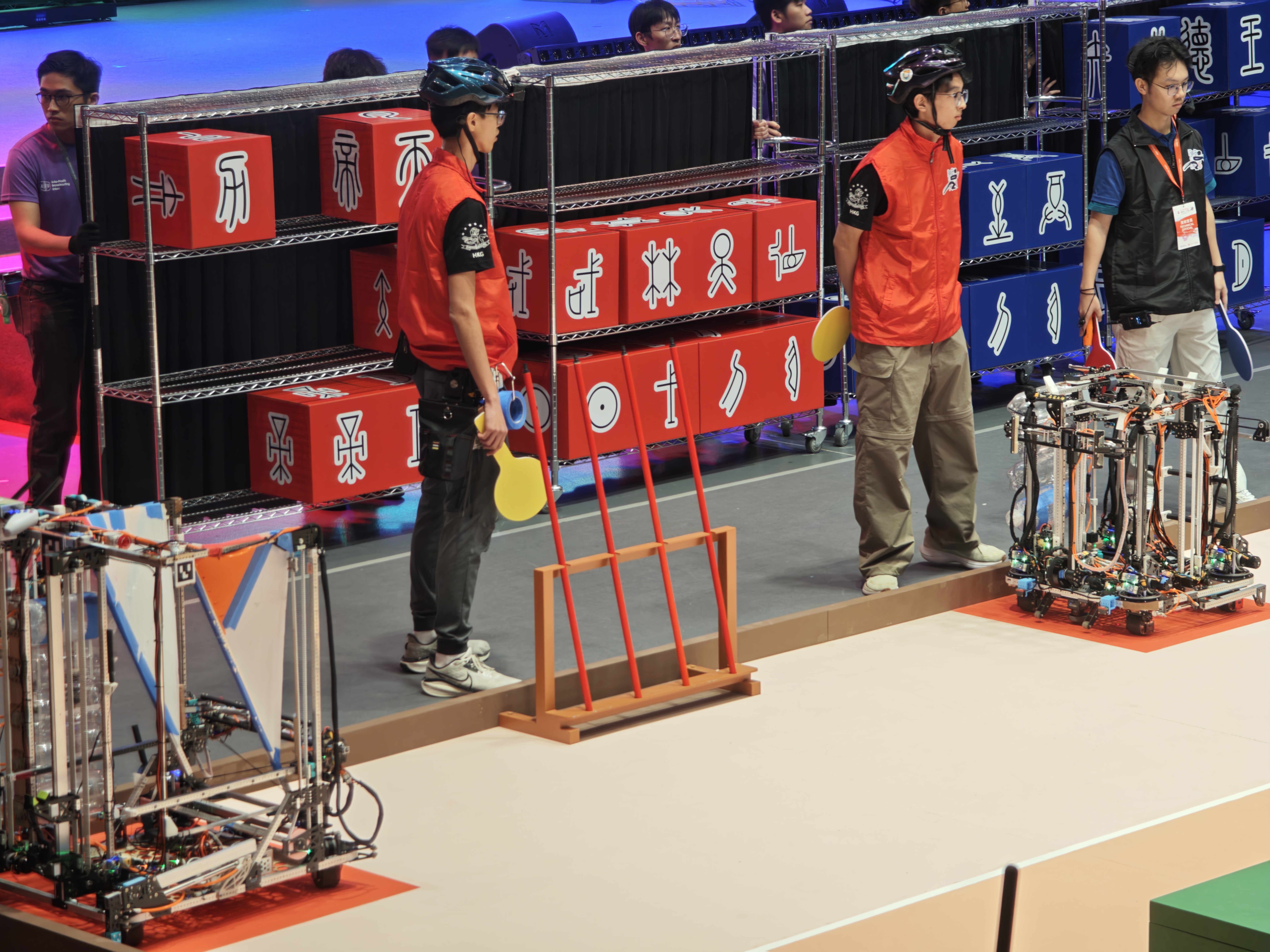
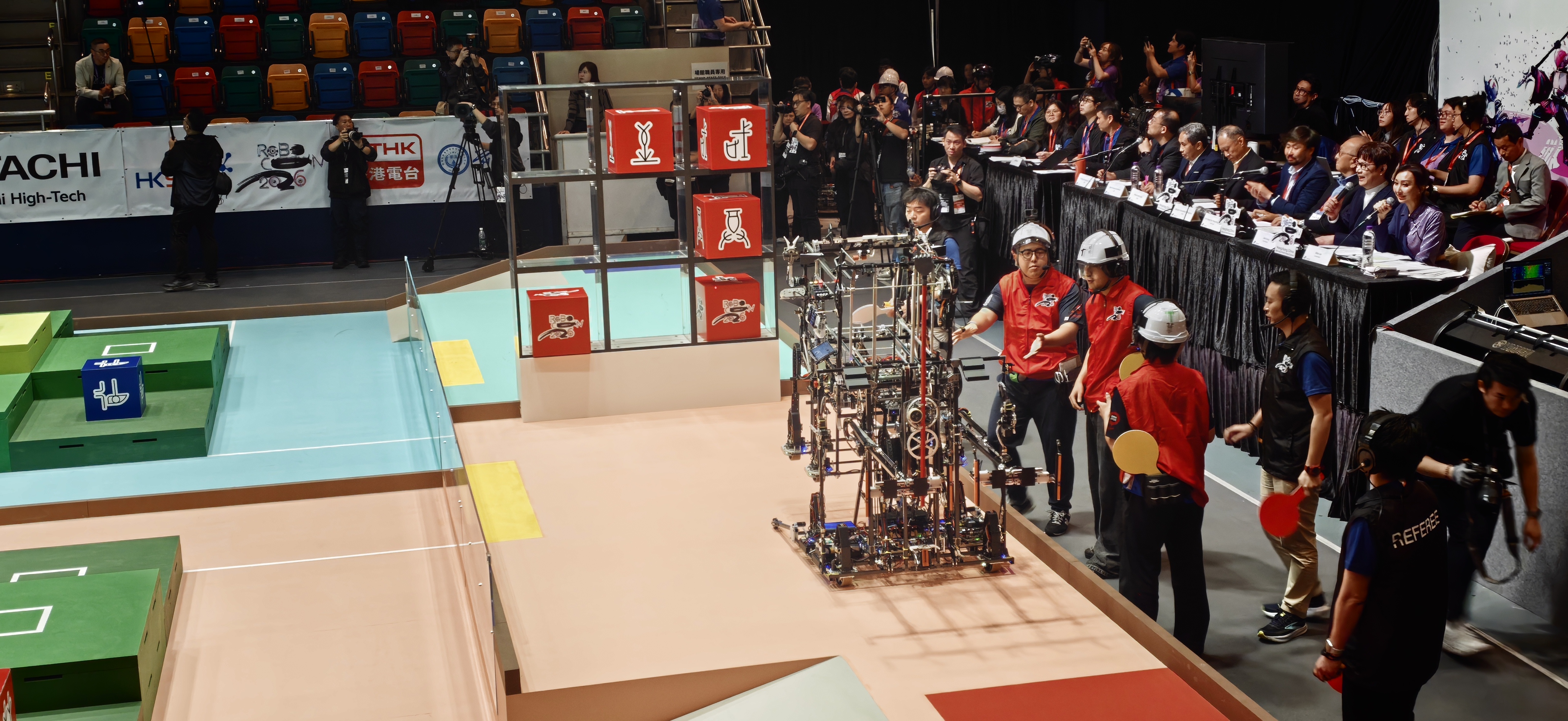
This year’s contest adopted the theme “Kung Fu Quest”, combining ideas from Chinese martial arts with robotics engineering. In each three-minute match, a team operated two cooperating robots to assemble traditional weapons, collect Kung Fu Scrolls in the Meihua Forest, and use the scrolls in a strategic giant tic-tac-toe contest. The challenge tested not only robot speed and precision, but also autonomous navigation, image recognition, manipulation, coordination between robots, and rapid tactical decision-making.
Teams in the Contest
The international contest brought together 16 teams from 15 countries and regions. As the host, Hong Kong had two representatives: Team Sapientia from The University of Hong Kong (HKU) and Team Power Builder from The Chinese University of Hong Kong (CUHK). The preliminary league was organised into six groups, as recorded below.
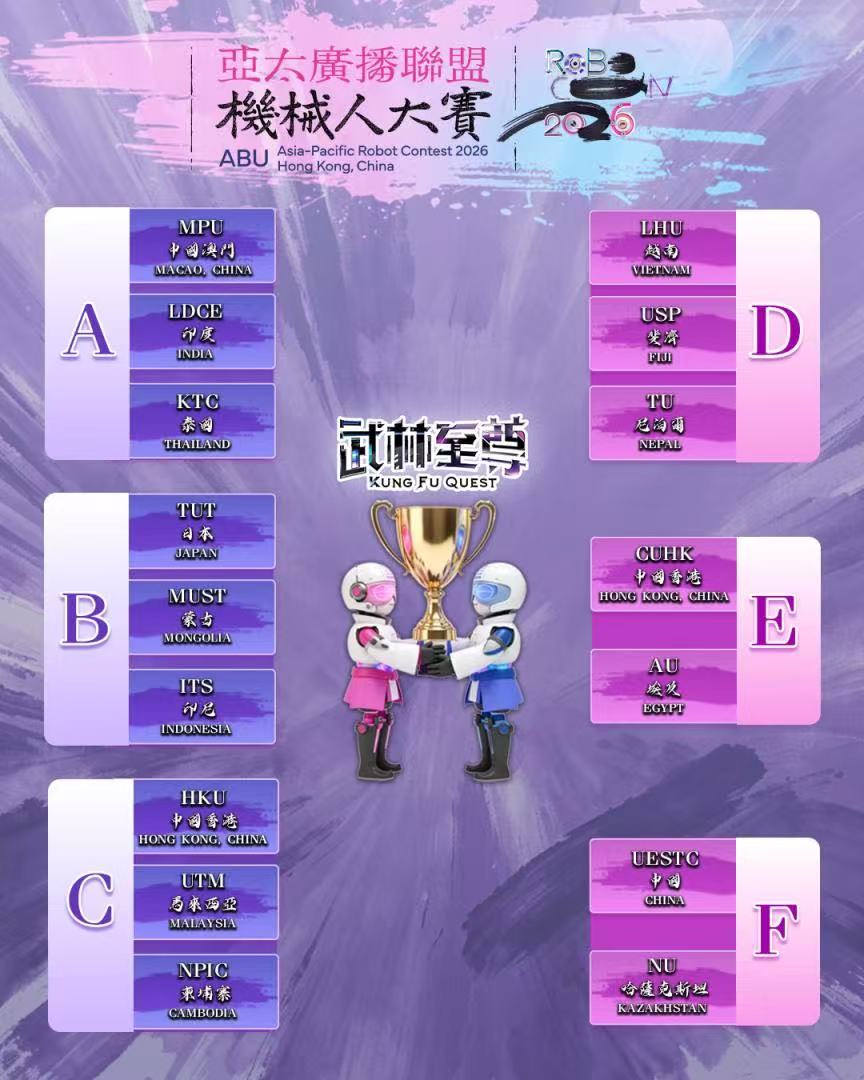
The preliminary league draw displayed at the venue, showing the institutions in Groups A to F.
Following the preliminary league, HKU, CUHK, Kalasin Technical College, Toyohashi University of Technology, Institut Teknologi Sepuluh Nopember, Lac Hong University, Tribhuvan University, and UESTC advanced to the quarter-finals. The two Hong Kong teams continued through the knockout rounds and ultimately met in an all-Hong Kong final. Team Sapientia emerged as the ABU Robocon 2026 champion, while Team Power Builder finished as first runner-up, giving Hong Kong the top two places on home ground.
Which Teams Were the Strongest?
There are two useful ways to answer this question. On performance at the 2026 contest itself, HKU’s Team Sapientia was the strongest team: it won the tournament. CUHK’s Team Power Builder was the next strongest on the day, reaching the same final and finishing as first runner-up. Six other teams reached at least the quarter-final stage, while the remaining eight institutions did not progress beyond the preliminary league.
The historical picture is different. Among the institutions in the 2026 field, CUHK had the strongest recent ABU Robocon record entering the event, having won the Grand Prix in 2019, 2022, and 2024, as well as finishing first runner-up in 2023. Other proven Grand Prix winners in the field included UESTC in 2010 and 2012, Universiti Teknologi Malaysia in 2016, Lac Hong University in 2017 and 2018, Institut Teknologi Sepuluh Nopember in 2021, and Toyohashi University of Technology in 2023. HKU joined this group of institutional champions with its 2026 victory.
Several teams also arrived with strong national or recent international form. UESTC entered as China’s only representative after an undefeated 11-match national campaign and a fifth consecutive national title. It had also received the ABU Robocon Award in 2022, second runner-up and Best Idea Award in 2023, and Best Idea Award in 2024. Toyohashi University of Technology won Japan’s 2026 national selection and had been the 2023 international champion. Lac Hong University’s LH-FOF qualified by winning a 32-team Vietnamese contest, while ITS was the 2021 Grand Prix winner and the 2022 international first runner-up.
These records show why historical reputation and performance in a single edition should be kept separate. CUHK brought the deepest recent international record, and UESTC, Lac Hong University, Toyohashi University of Technology, UTM, and ITS all had championship-level experience. Nevertheless, the 2026 tournament result provides the clearest event-specific ranking: HKU first and CUHK second.
Learning from Robotics in Action
For the visiting TASLAB members, the competition offered a close view of the full engineering process in action. Every match required teams to connect mechanical fabrication, sensing, embedded systems, motion planning, control, and human operation under strict time constraints. The different robot designs and match strategies also showed how teams can arrive at distinct solutions to the same technical problem and adapt when conditions change during live operation.
Robot Designs Observed at the Contest
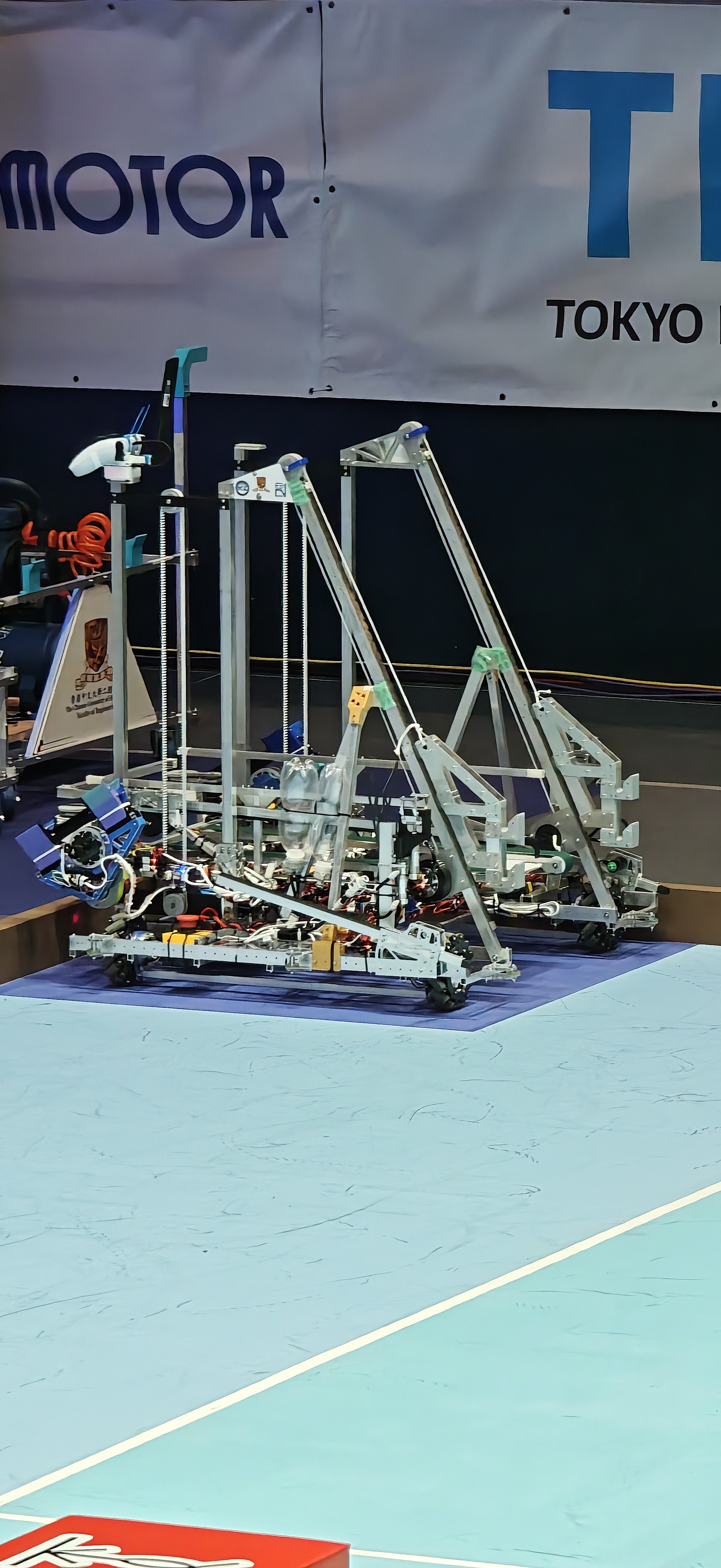
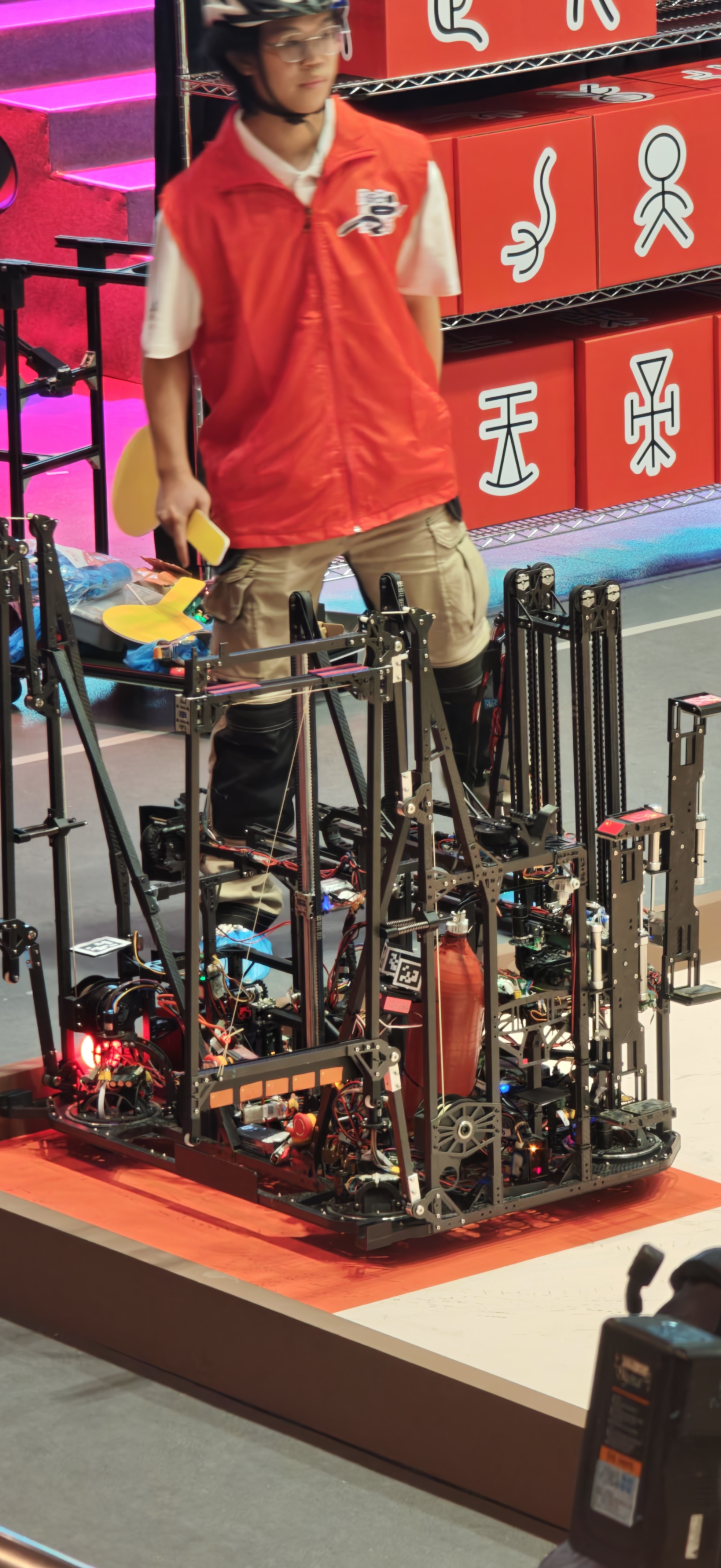
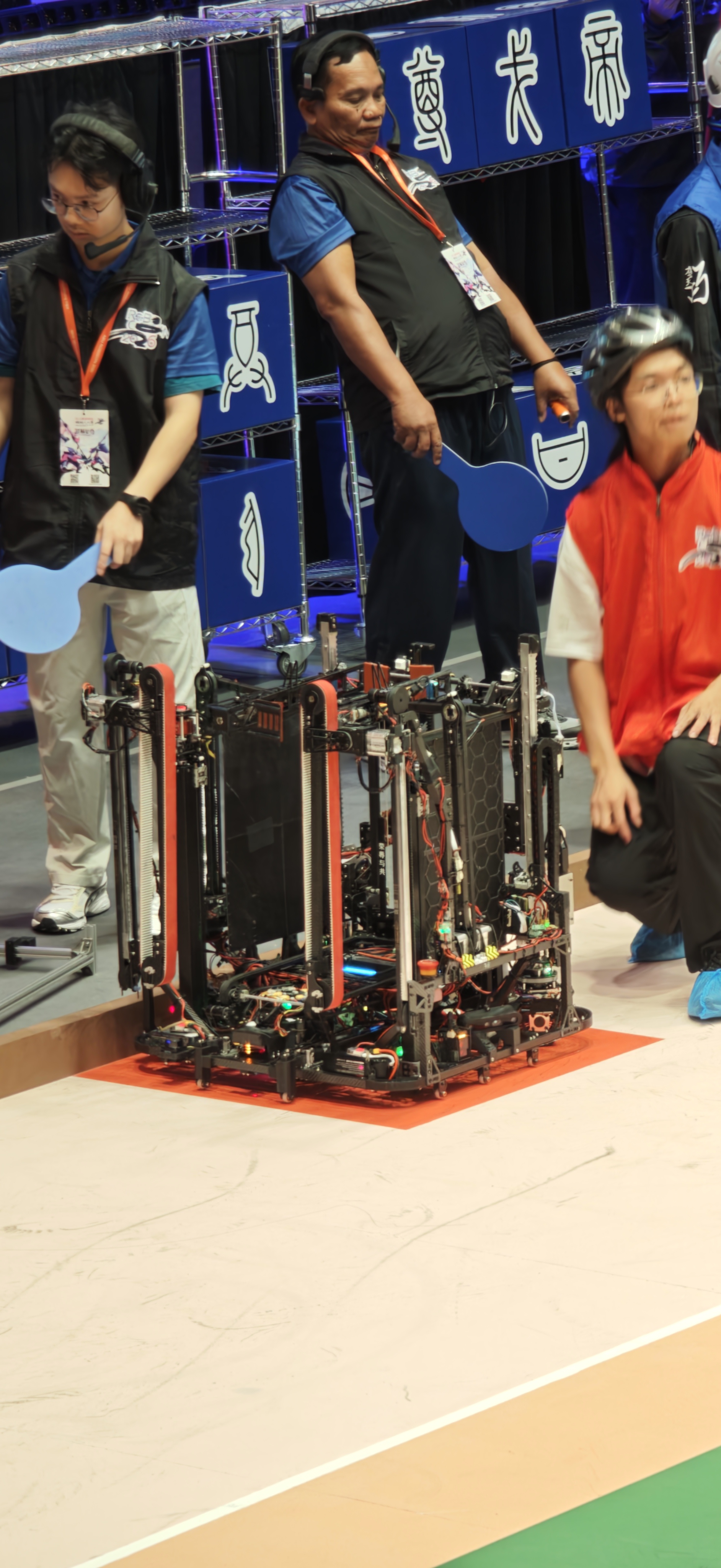
The visit was particularly relevant to TASLAB’s research in trustworthy AI and autonomous systems. Reliable perception, coordinated decision-making, robust control, and safe physical execution were all essential to successful performance in the arena. Seeing these capabilities tested in a fast-paced competition provided useful inspiration for the laboratory’s continuing work in intelligent robotics and autonomous systems.
ABU Robocon 2026 demonstrated the creativity, perseverance, and teamwork of the next generation of engineers across the Asia-Pacific region. By attending the event, TASLAB members gained further insight into emerging approaches to robotics and shared in a celebration of engineering innovation, cultural exchange, and international friendship.